Why choose an experienced team
An experienced team minimizes rework, protects surfaces, and meets deadlines on construction sites, buildings, and commercial spaces.
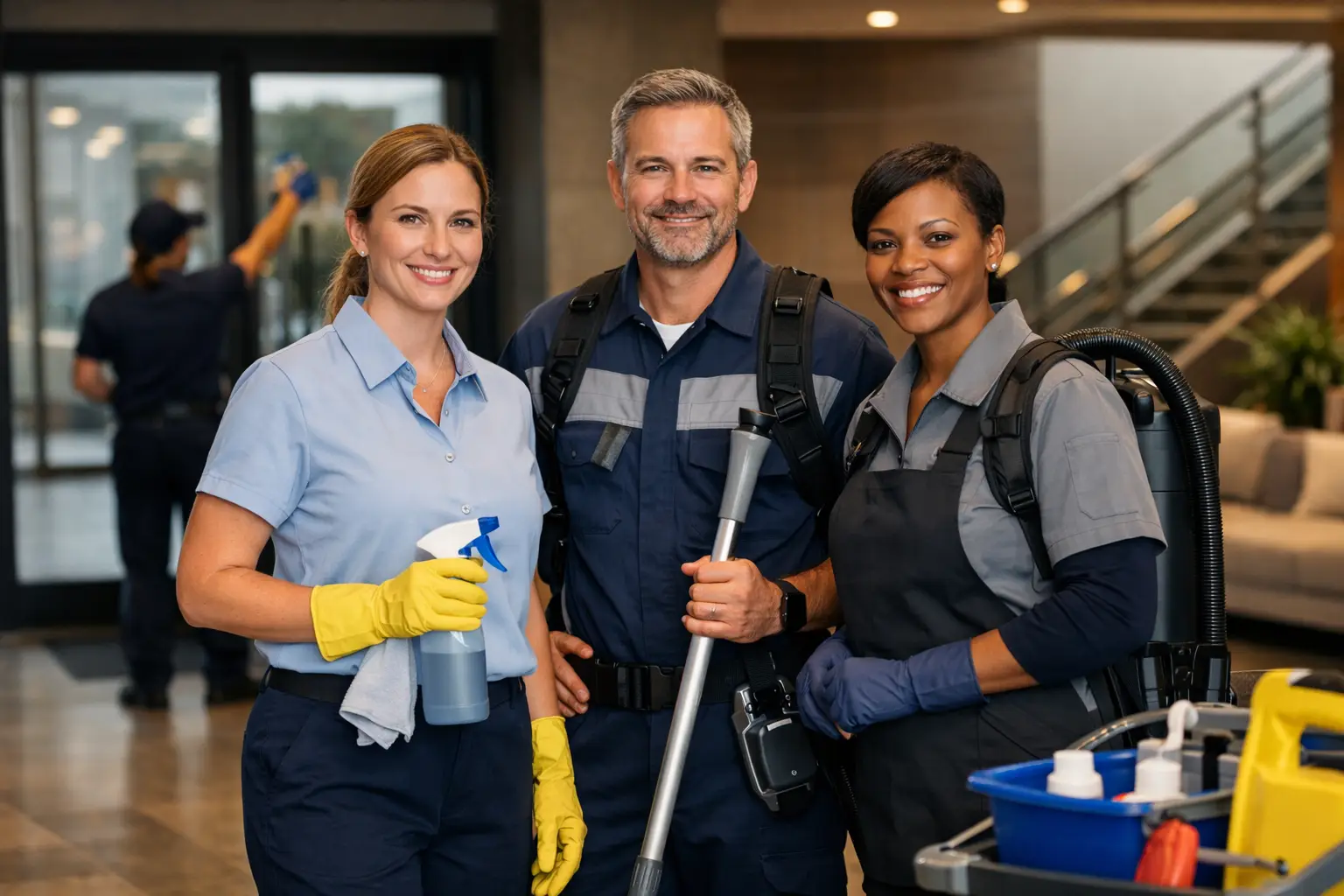
A spotless lobby at 8 a.m., a dust-free corridor after renovations, or clean interlocking pavers without damage: on site, the difference between a routine intervention and an experienced team is clear. For property managers, general contractors, or maintenance supervisors, this isn’t just about image—it’s about deadlines, consistency, and risk avoidance.
In specialty cleaning, experience isn’t measured in years alone. It’s about assessing a site, selecting the right method, adapting execution to building constraints, and delivering a flawless result without disrupting occupants or the worksite. This is precisely what matters when maintaining common areas, restoring a building after construction, or treating exterior surfaces that don’t tolerate shortcuts.
What an experienced team truly changes
On commercial or property mandates, cleaning is rarely a simple maintenance pass. Teams must navigate restricted access, tight schedules, varied materials, sensitive zones, and often high expectations from occupants, clients, or project managers.
An experienced team reads these parameters before starting. It identifies friction points, plans intervention sequences, and avoids costly errors. On a post-construction cleanup, for example, poor dust management or using the wrong product can extend the work, re-soil certain areas, or leave marks on fresh finishes. Experience reduces these gaps.
It also impacts long-term quality. A space may look clean right after a team’s visit, but the real question is different: will the cleanliness standard hold until the next maintenance cycle, despite foot traffic, weather, or lingering construction residue? That’s where method makes the difference.
Experience matters most in high-stakes environments
Standard environments sometimes allow room for error. High-stakes contexts leave almost none. In a multi-unit building, poorly maintained common areas quickly spark complaints. In a commercial space, neglected presentation affects perceptions. At the end of a construction project, any delay in cleaning can slow occupancy or handover.
Post-construction and end-of-project cleanup
Post-construction cleaning requires more than a good scrub. Teams must remove material residue, control dust, treat windows, frames, baseboards, floors, and finishing details without damaging newly installed elements. A crew unfamiliar with these environments can waste time on the wrong sequence or revisit the same zones multiple times.
An experienced team knows how to balance detail cleaning, rough cleaning, and final restoration. They work with a project mindset, not a generic residential approach. This is a decisive factor for contractors and managers juggling multiple trades simultaneously.
Common areas and routine maintenance
In condominiums, rental buildings, and commercial properties, maintaining common areas demands consistency. The challenge isn’t just cleaning—it’s sustaining a stable standard. Glass entryways, elevators, stairwells, corridors, common rooms, and loading docks don’t share the same wear levels or needs.
Experience allows teams to adjust frequency, products, and intensity based on actual usage. A high-traffic space may require targeted, more frequent cleaning than uniform maintenance everywhere. This operational insight prevents paying for mismatched tasks.
Exterior surfaces and pressure washing
Outdoors, improvisation comes at a price. Misapplied pressure washing can stain surfaces, displace interlocking paver joints, or spray dirt onto already clean areas. Conversely, insufficient pressure fails to resolve issues and forces repeat work.
An experienced team selects the right pressure level, work angle, and execution pace based on surface type, grime level, and site conditions. This expertise is especially valuable for access paths, sidewalks, parking lots, courtyards, and façades where appearance and durability matter equally.
Concrete signs of an experienced team
Experience is visible even before work begins. It shows in how questions are asked, scope is defined, constraints are anticipated, and a realistic intervention plan is presented. A serious team doesn’t overpromise. It clarifies what’s included, what depends on site conditions, and what may require a tailored approach.
On site, they work consistently. Tasks are executed in the right order, sensitive zones are protected, finishes are inspected, and rework is minimized. The worksite or building doesn’t become a testing ground.
Another often-overlooked indicator: the ability to stay efficient without adding mental load for the client. When a provider requires follow-ups for scheduling, access, corrections, or follow-through, the touted experience loses value. A good partner simplifies management instead of complicating it.
Why the cheapest option often costs more
In technical cleaning services, price alone rarely tells the full story. A low quote may seem attractive upfront, especially for large volumes or tight deadlines. But if execution leads to rework, delays, oversights, or damage, the savings vanish quickly.
The real cost includes coordination time, additional inspections, occupant dissatisfaction, and sometimes mobilizing a second team to fix what should have been done right the first time. For a property manager, this means more calls, more oversight, and less predictability. For a contractor, it can mean a complicated handover.
Choosing an experienced team isn’t about luxury—it’s about reliability that protects schedules, buildings, and relationships with users. The right choice isn’t between price and quality; it’s about valuing an intervention done right the first time.
How to assess an experienced team before committing
The best approach is to match the provider to the mandate type. Not all teams excel in the same environments. A company skilled in light maintenance isn’t necessarily the best fit for post-construction cleanup or technical exterior cleaning.
Confirm mandate compatibility
Ask whether the team regularly works in commercial buildings, multi-unit properties, or post-construction contexts. This detail is more useful than a general quality promise. A provider familiar with your constraints will know faster what to do—and what to avoid.
Evaluate method clarity
An experienced team explains its approach without unnecessary jargon. It outlines treated zones, intervention logic, potential limitations, and success conditions. This clarity is a strong signal, especially for recurring mandates where stability matters as much as immediate results.
Assess operational reliability
Punctuality, consistent follow-through, and the ability to work without disrupting operations are essential. In Greater Montreal, where traffic, access, and coordination realities can complicate operations, this rigour makes a real difference on the ground.
An experienced team is also protection for your asset
A well-maintained building retains its appearance better, inspires more confidence, and generates fewer visible issues. This applies to both interior surfaces and exterior spaces. Cleanliness isn’t just an operational expense—it contributes to the building’s overall perception and daily upkeep.
This is especially true when materials are new, technical, or exposed to heavy use. Poor methods can accelerate wear, dull surfaces, or make future maintenance harder. Conversely, a well-executed intervention supports durability and reduces the need for major upgrades.
For this reason, the most effective decision-makers don’t just look for an executor. They seek a partner capable of maintaining a standard, understanding the context, and intervening with judgment. This is the approach guiding specialized companies like Nickel & Krome when supporting commercial and property clients with concrete needs—from daily maintenance to more technical restorations.
When choosing a provider, ask yourself a simple question: do you need a cleaning pass, or a reliable execution that holds up when stakes are high? The answer often points to the same choice.