
Indoor parking maintenance for buildings in winter
In winter, indoor parking areas collect slush, salt, sand, and moisture. A clear plan limits tracking into lobbies.
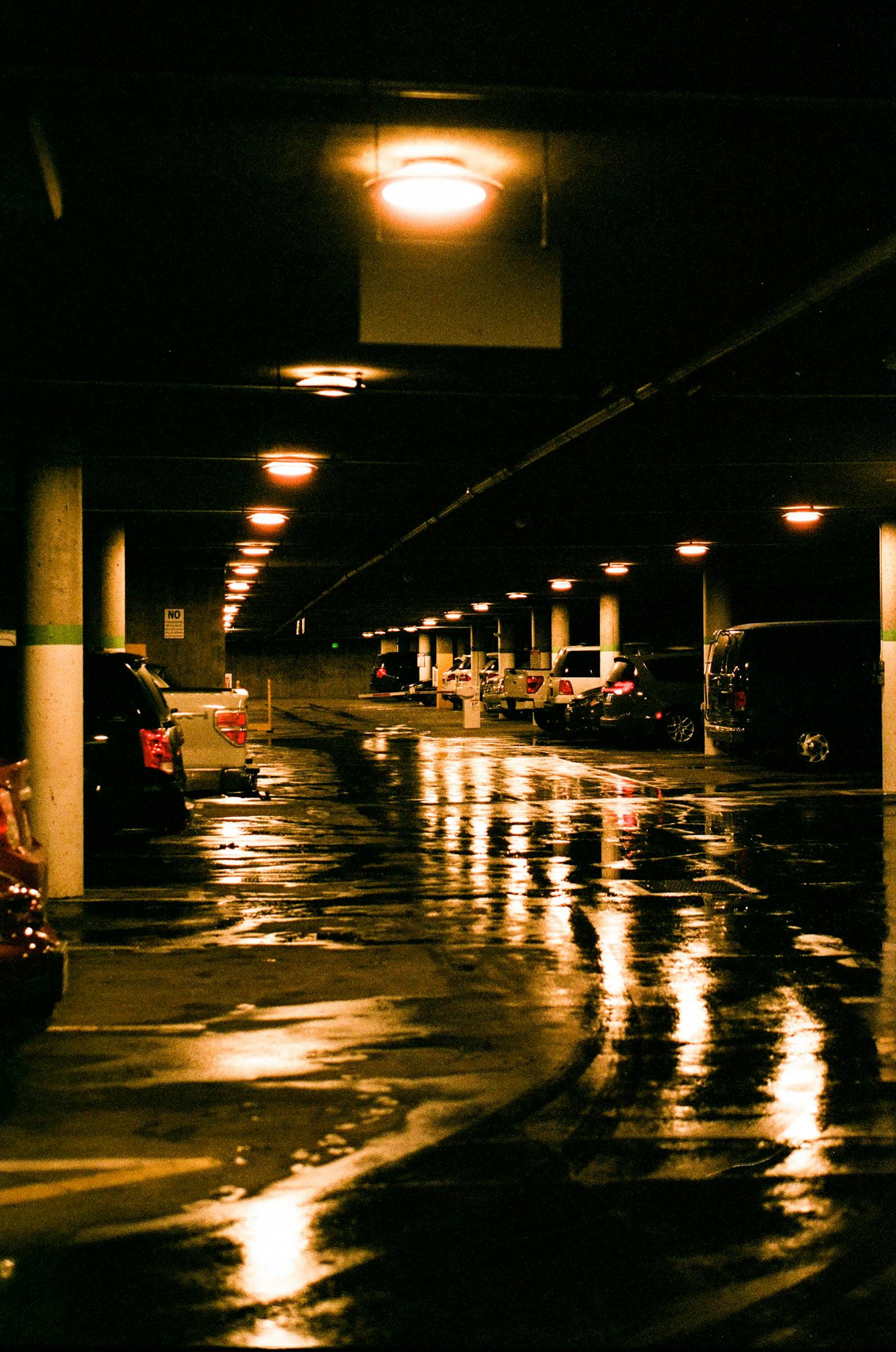
Indoor parking becomes a major entry point for salt, slush, sand, and moisture. What remains on the floor often migrates toward elevators, stairwells, lobbies, and corridors.
Why winter makes maintenance harder
Vehicles bring in water loaded with calcium, salt, and abrasive particles. As those deposits dry, they leave white marks, fine dust, and slippery or sticky areas.
What to monitor
Garage entrances, ramps, elevator zones, drains, thresholds, and pedestrian paths should be checked more often than remote stalls. These are the zones that most affect common areas.
Structure the winter frequency
Nickel & Krome can plan targeted winter maintenance and a reset once conditions stabilize. The plan accounts for traffic, available parking, safety, and drain access.
A better-controlled parking area reduces tracking into the building and improves the visual safety of circulation zones.
Apply this guide to your property
Review the scope, access requirements and service details for Sweeping, washing and restoring underground parking lots.
View the documented occupied-garage project in Montreal (French)