
A cleaner unit handover starts before the final walkthrough
Prepare unit handover before the final walkthrough with a clear sequence: dust control, touch-ups, visible zones, validation, and deficiency margin.
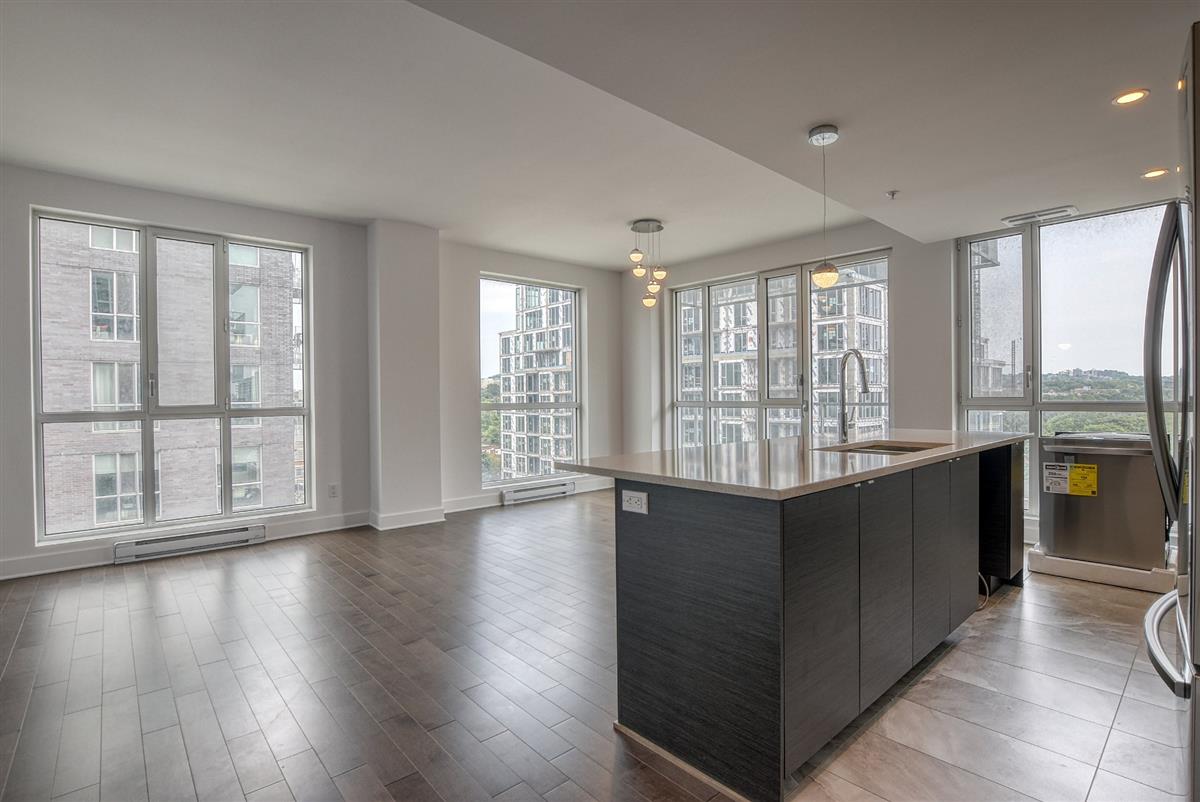
A clean unit handover does not happen only on the day of the final walkthrough. It starts earlier, when the last dusty work is ending, circulation is still active, and visible details begin to matter. For a developer, general contractor, or property manager, the right move is to structure cleaning before the inspection turns into a long list of touch-ups.
Why wording matters
In English, unit handover is clear. In French, the right term is remise d'unité, or sometimes livraison d'unité when referring to the formal delivery to a client, owner, or manager. The goal is the same: an area that is ready to be viewed, inspected, and accepted.
Start before the final walkthrough
Waiting until the day before the final walkthrough creates unnecessary pressure. Cleaning becomes an emergency instead of a coordinated stage. A better sequence begins once dusty work is complete in the relevant areas, while leaving room for touch-ups, deficiency calls, and last adjustments from other trades.
Control dust before details
Fine dust settles quickly on thresholds, baseboards, frames, cabinets, glass, and horizontal surfaces. If it is not handled before the walkthrough, the unit can still feel like an active jobsite even when the main work is finished. A structured first pass stabilizes the unit before final detail work.
Prioritize first-impression zones
Entry areas, kitchens, bathrooms, glass, switches, handles, and floors shape the first impression. These are the details visitors notice immediately. Treating them first helps turn a finished unit into a handover-ready unit.
The right cleaning sequence
An effective handover follows a simple order: remove visible residue, control fine dust, clean touchpoints, handle glass and frames, then finish with floors and accessible details. This sequence reduces rework and avoids contaminating areas that have already been completed.
Leave room for deficiencies
The final walkthrough can reveal items that still need attention: a mark on a frame, dust in a corner, streaks on glass, a dirty threshold, or an area affected by late traffic. Reserving a short touch-up window after the first pass prevents every small issue from becoming an emergency.
Clarify access and validation
Before the cleaning visit, confirm which units are ready, which floors are accessible, elevator use, parking, permitted hours, and the person who validates the result. A clean handover depends on coordination as much as cleaning itself.
How Nickel & Krome supports unit handover
Nickel & Krome helps construction teams and property managers structure the last steps: units, corridors, halls, elevators, common areas, and targeted touch-ups. The goal is to deliver a clean, consistent, presentable space without multiplying back-and-forth before the final walkthrough.
A cleaner unit handover starts before the final walkthrough. It starts with a clear sequence, realistic margin, and a team that understands the standards of real estate delivery.
Apply this guide to your property
Review the scope, access requirements and service details for Post-construction cleaning for general contractors, developers and phased handovers.