
Carpet wear in building corridors: how to protect common areas
In managed buildings, commercial carpets absorb traffic, salt, moisture, and visible tracking. A structured maintenance plan helps extend their service life.
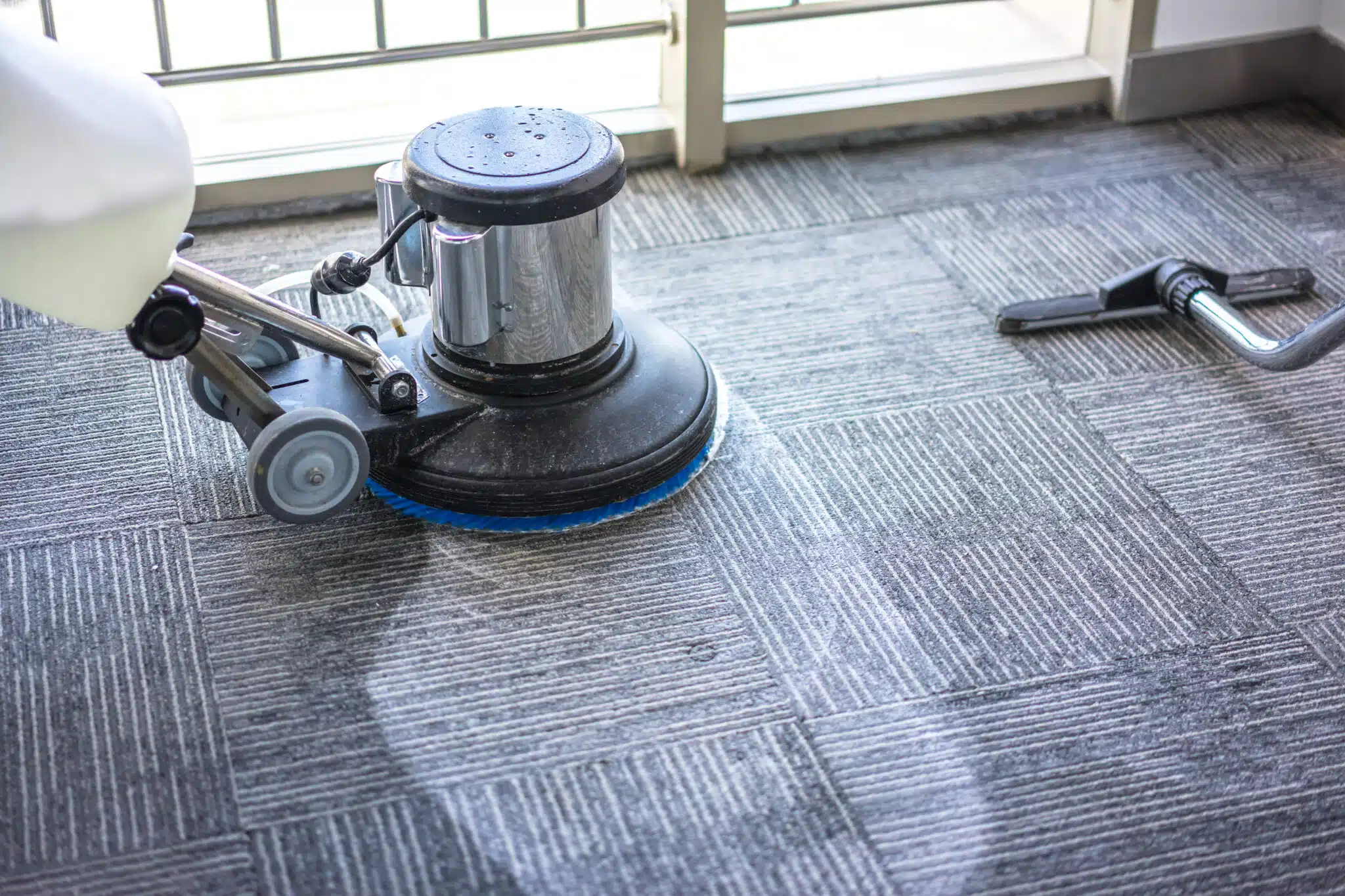
In a residential, commercial, or mixed-use building, corridor carpets work constantly in the background. They absorb daily foot traffic, moves, deliveries, outdoor dust, moisture, winter salt, and tracking from occupants. Once wear becomes visible, it directly affects how common areas are perceived.
For a property manager, the question is not only whether to clean a carpet when it looks dirty. The real issue is identifying which areas wear fastest, how often to intervene, and how to fold carpet cleaning into a realistic maintenance plan.
Why corridors wear faster
Corridors concentrate traffic. Everyone crosses them, often in the same spots: near elevators, entrance doors, stairwells, turns, and the units with the most activity. These points become visible wear paths before the rest of the building.
Repeated traffic and visible lanes
A commercial carpet may look uniform when installed, but repeated traffic quickly creates darker or flattened lanes. Fibers compress, fine particles settle in, and the surface loses its even appearance.
Regular vacuuming helps, but it does not always remove fine residue embedded in the fiber. That is why periodic deep cleaning should support routine maintenance.
Salt, moisture, and Quebec seasons
In Montreal, Laval, and the North Shore, winter accelerates carpet wear. Salt, slush, sand, and moisture enter through lobbies, then travel into corridors. Without intervention, these contaminants leave rings, harden some areas, and can create odors.
The strategy should change by season: stronger entrance control in winter, targeted cleaning after wet periods, and a reset after corridors have absorbed weeks of traffic.
Turn carpet care into a measurable plan
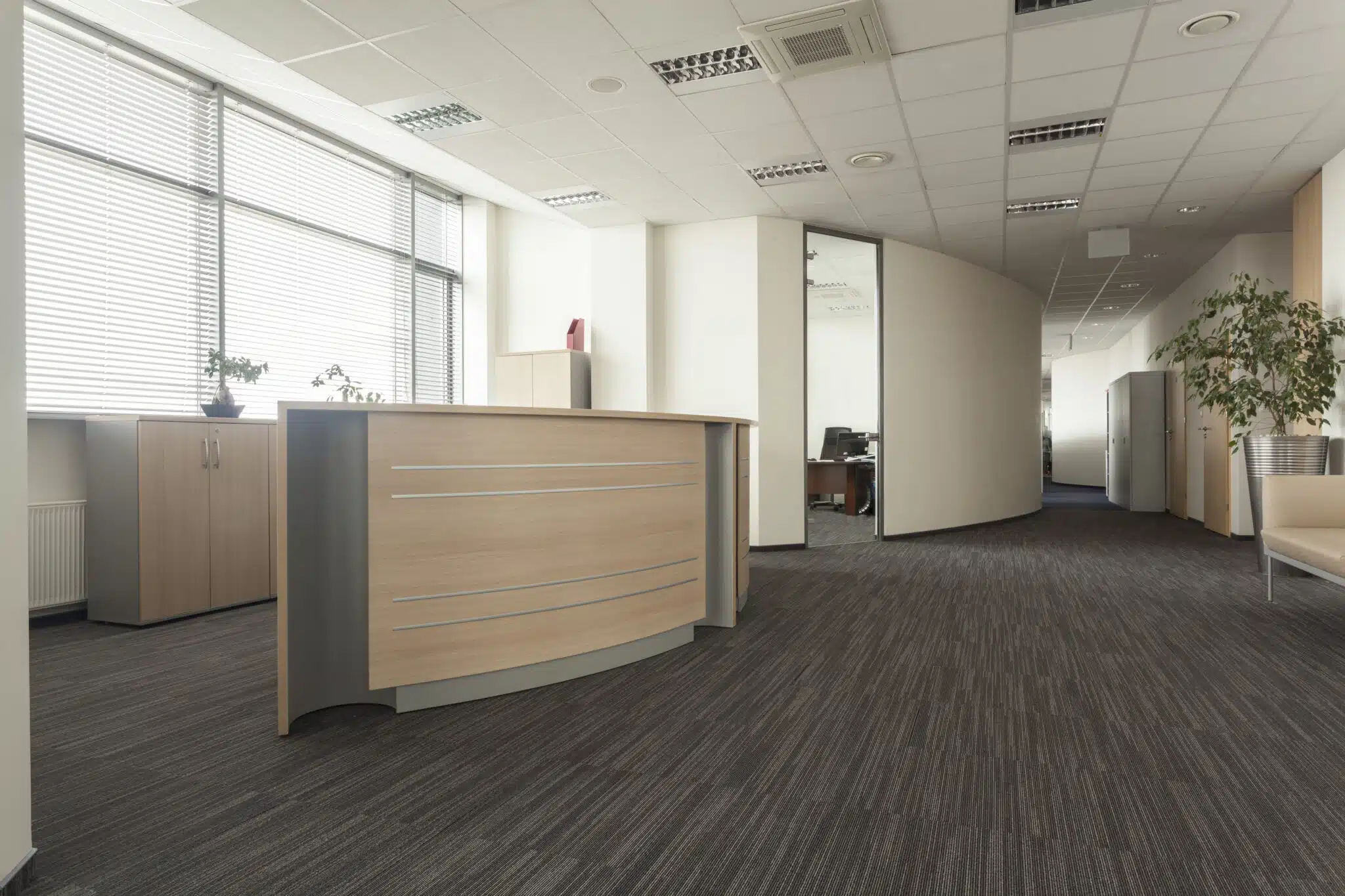
A good plan is more than a cleaning date. It defines the zones to monitor, the visual standard, access requirements, timing, drying constraints, and the points that need extra attention.
Map high-traffic areas
Before proposing a frequency, Nickel & Krome looks at the zones that carry the most load: entrances, vestibules, elevators, landings, main corridors, waiting areas, administrative offices, and paths toward parking areas.
This makes it possible to separate zones that need regular attention from areas that can be handled less often. The budget is directed better and the result stays more consistent.
Combine routine maintenance and periodic cleaning
Routine maintenance keeps carpets presentable between visits: vacuuming, debris removal, quick treatment of visible marks, and follow-up on problem areas. Periodic cleaning removes deeper soil and brings the fibers back to a more stable condition.
The two levels work together. Deep cleaning without routine care fades quickly. Routine care without periodic reset allows wear to build up.
Do not forget other textile surfaces
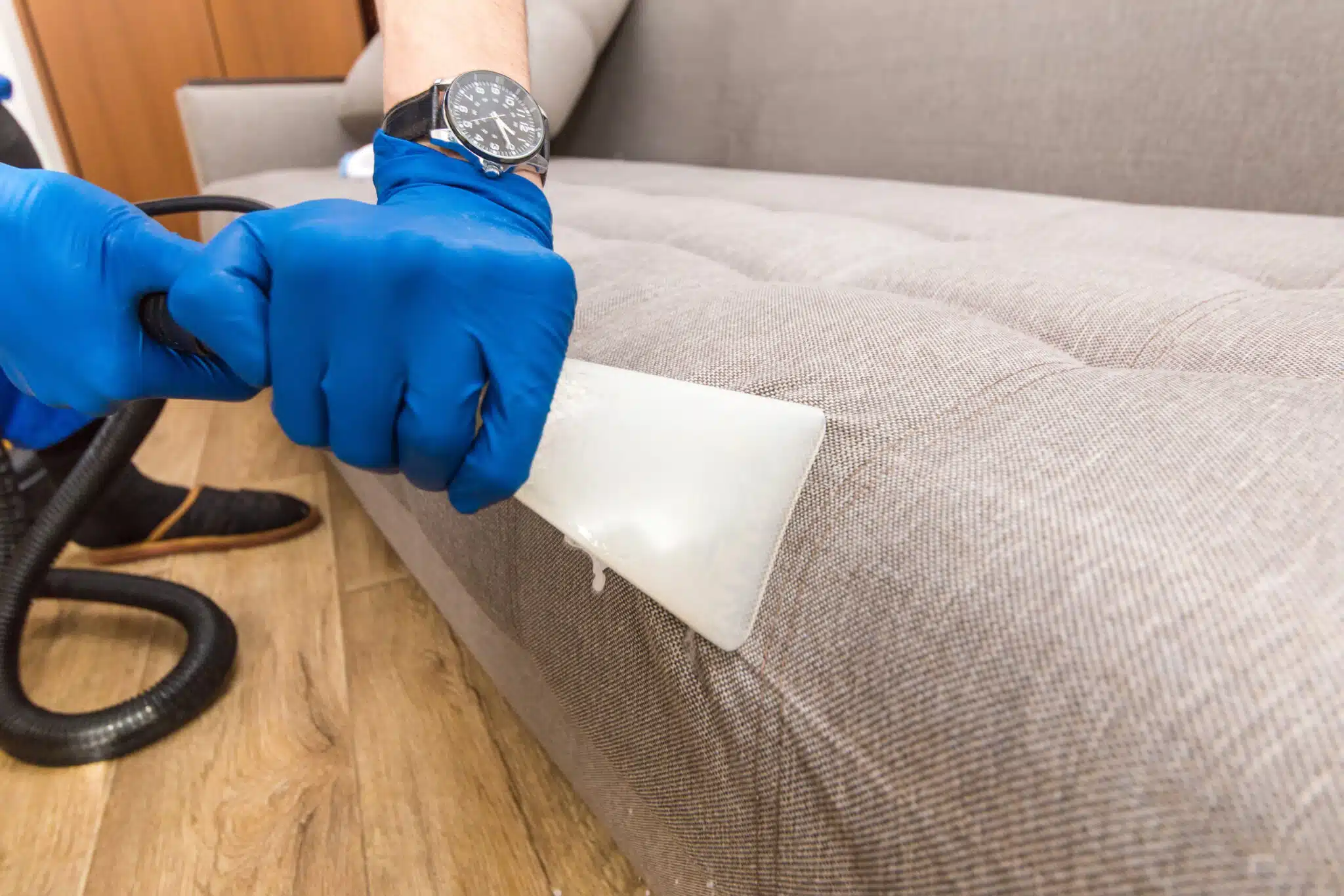
In many buildings, the impression of common areas does not depend only on carpets. Armchairs, benches, reception chairs, and upholstered furniture also absorb dust, stains, and odors.
When a lobby or waiting area is maintained, it can make sense to coordinate commercial carpet cleaning with upholstered fabric cleaning. The space feels more consistent and the work is easier to schedule.
Reduce complaints and repeat visits
Carpet complaints often arrive once the signs are already obvious: dull corridors, moisture odors, marks near doors, sticky carpet after winter, or areas that no longer recover with vacuuming. Periodic follow-up reduces those surprises.
For managers, the advantage is practical: less back-and-forth, fewer emergency calls, and better visibility on when specialized cleaning is needed.
What Nickel & Krome can structure for your building
Nickel & Krome helps managers integrate commercial carpets into a broader maintenance logic. The scope can target one corridor, common areas, offices, a seasonal reset, or a recurring schedule based on real traffic.
The right approach starts with a clear scope: zones to clean, carpet type, access, available hours, ventilation, drying expectations, stained points, and the desired level of follow-up. From there, carpet cleaning becomes predictable instead of a late reaction to visible wear.
Apply this guide to your property
Review the scope, access requirements and service details for Commercial Carpet Cleaning.